

Uncategorized
DIEP Flap vs TRAM Flap: A Comparison of Tissue-Based Breast Reconstruction Techniques
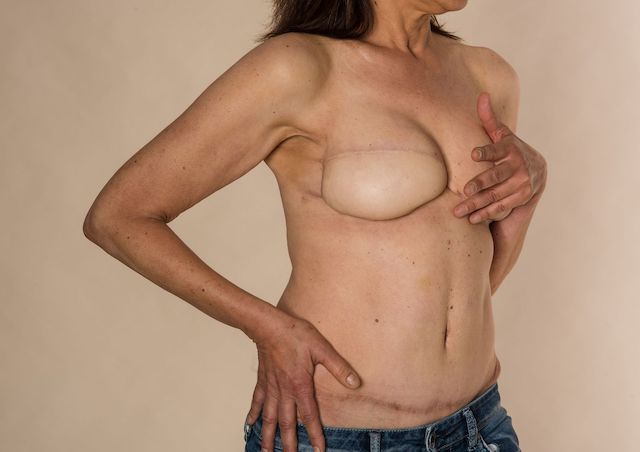
Feb
Introduction
Breast reconstruction is a surgical procedure that aims to restore the appearance and shape of the breast after mastectomy. There are several options available for breast reconstruction, including tissue-based techniques such as the deep inferior epigastric perforator (DIEP) flap and the transverse rectus abdominis myocutaneous (TRAM) flap.
What is a DIEP Flap?
A DIEP flap is a type of tissue-based breast reconstruction that uses skin, fat, and blood vessels from the lower abdomen to recreate the breast. The tissue is removed and transferred to the chest, where it is reshaped to resemble a breast. The DIEP flap procedure is performed using a microsurgical technique, which involves connecting small blood vessels to ensure proper blood flow to the transferred tissue.
What is a TRAM Flap?
A TRAM flap is another type of tissue-based breast reconstruction that uses skin, fat, and muscle from the abdomen to recreate the breast. The tissue is removed and transferred to the chest, where it is reshaped to resemble a breast. Unlike the DIEP flap, the TRAM flap involves removing a portion of the abdominal muscle, which can result in a loss of abdominal strength and function.
Advantages of DIEP Flap Reconstruction
There are several advantages to DIEP flap reconstruction, including:
- A natural appearance and feel: The tissue used in DIEP flap reconstruction is taken from the patient’s own body, providing a more natural appearance and feel to the reconstructed breast.
- Improved abdominal appearance: DIEP flap reconstruction can also provide a cosmetic benefit, as it may result in a flatter and more toned abdominal appearance.
- Reduced need for external prostheses: DIEP flap reconstruction can reduce the need for external prostheses, such as a breast form, which can be uncomfortable and limit clothing options.
- Minimal impact on abdominal muscle function: Unlike the TRAM flap, the DIEP flap does not involve removing muscle from the abdomen, which can result in minimal impact on abdominal muscle function.
Advantages of TRAM Flap Reconstruction
There are also several advantages to TRAM flap reconstruction, including:
- One-stage reconstruction: TRAM flap reconstruction can be performed in a single stage, providing a breast reconstruction option for patients who do not wish to undergo multiple surgeries.
- Larger tissue availability: The TRAM flap procedure provides a larger amount of tissue than the DIEP flap procedure, which can be useful for patients who require larger breast reconstruction.
Disadvantages of DIEP Flap Reconstruction
There are also several disadvantages to DIEP flap reconstruction, including:
- Longer surgical time: DIEP flap reconstruction is a more complex procedure than the TRAM flap and can take longer to perform.
- Increased risk of complications: DIEP flap reconstruction is associated with a higher risk of complications compared to TRAM flap reconstruction.
Disadvantages of TRAM Flap Reconstruction
There are also several disadvantages to TRAM flap reconstruction, including:
- Reduced abdominal strength and function: The TRAM flap procedure involves removing a portion of the abdominal muscle, which can result in a loss of abdominal strength and function.
- Increased risk of hernias: TRAM flap reconstruction is associated with an increased risk of hernias compared to DIEP flap reconstruction.

Medically Reviewed By. Dr D H Buddhika Ubayawansa (MBBS,MD(surgery) MRCS ( Edin) ) Consultant oncological surgeon